Law, Psychology or Multimedia: Choosing a Degree in Malaysia
Three degrees, three very different kinds of homework
Ask a room of SPM or A-Level leavers in Malaysia what they want to study and you will hear law, psychology and multimedia more often than almost anything else. They get lumped together as “people” subjects, but the day-to-day work is not similar at all. One degree has you reading judgments late into the night, one has you running statistics on survey data, and one has you rebuilding the same prototype for the fourth time because the user test went badly.
So instead of asking which course sounds best, it helps to ask which kind of homework you can tolerate for three or four years. That question tends to sort people faster than any ranking table.
Before anything else, check that the programme you are looking at is listed on the Malaysian Qualifications Register run by the MQA. Accreditation status affects scholarships, postgraduate entry and, for law in particular, whether you can move into practice later.
What an LLB actually asks of you

A law degree is mostly reading and arguing on paper. First year usually covers contract, tort, criminal law and public law, and the skill being trained is the same in all of them: take a messy set of facts, find the rule, apply it, and explain why the other side is wrong. Many Malaysian students take a UK-style LLB, and if you want to see how the modules stack up year by year, it is worth looking at how an LLB (Hons) is structured at a local provider before comparing fees.
The degree is only the first step toward practice. Pupillage and admission rules are set by the profession, and the Malaysian Bar publishes updates on how admission works. Read those early, because they shape which law degree is actually useful to you.
A law graduate walks through LLB modules, exams and the honest workload.
Interactive multimedia: the portfolio is the transcript
Multimedia degrees look playful from the outside, and the studio sessions can be fun, but the assessment model is closer to a job than a school. You build things, people critique them, and you rebuild them. Typical coursework mixes interface design, motion graphics, 3D, basic coding and user research. Grades matter less than what ends up in your portfolio, because that is what studios and agencies ask to see.
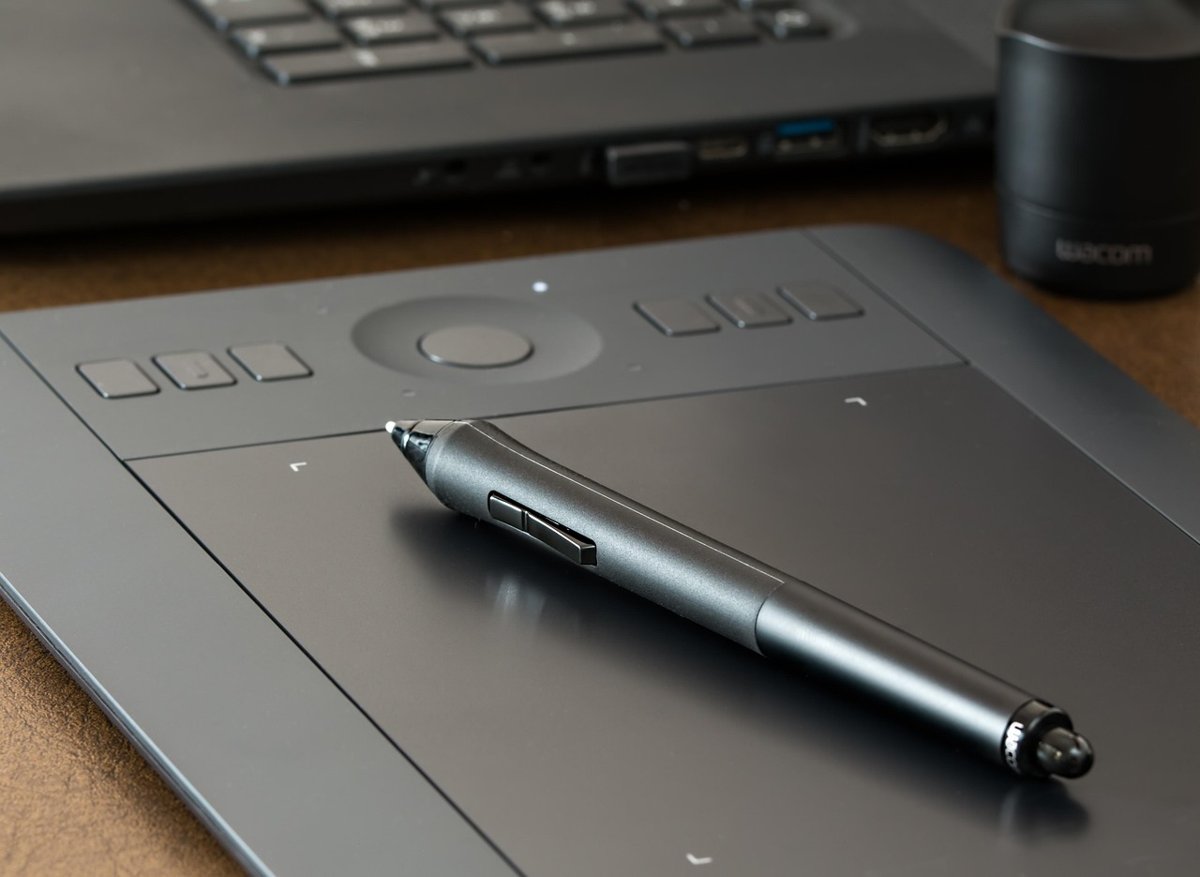
Expect deadlines to cluster. A motion piece, a usability report and a group prototype can all land in the same fortnight, and the software licences, a capable laptop and a drawing tablet add real cost. Ask current students how many hours a week they spend in the lab outside class, because that is the honest number.
When you compare courses, look at the module list for a balance of design thinking and technical work. One programme outline is enough to show what a realistic interactive media curriculum looks like, and you can measure others against it. Ask to see graduate work, not just the brochure.
Psychology has more statistics than most people expect
Students often choose psychology because they want to understand people or eventually counsel them. Both are fair reasons. What surprises many in the first semester is the amount of research methods and statistics. You will design small studies, clean data and write lab reports in a fixed format. The APA’s guide to psychology careers and study is useful here because it shows how many paths need further study after the bachelor’s degree.
In Malaysia, becoming a practising clinical psychologist or counsellor normally needs a master’s degree and supervised hours, so the undergraduate years are a foundation rather than a licence. If that is the long plan, read BAC’s psychology honours page or similar course pages with an eye on research modules and placements, since those are what postgraduate panels look at.
A small test before you commit
Try a week of each subject’s homework for free. Read one published judgment and summarise it in a page. Open a public dataset and work out an average and a correlation in a spreadsheet. Sketch three screens for a simple app and ask a friend to use them while you watch. Notice which task you finished without being reminded. That small experiment usually says more about the next four years than any open day speech.
Read More